
The numbers released by the UN, EU and World Bank in April 2026 should be read not just as reconstruction costs, but as a ledger of deliberate de-development.
$71.4 billion is needed over a decade for recovery and reconstruction. Of that, $35.2 billion is direct physical damage, $22.7 billion is economic and social losses, and $26.3 billion would be required in the first 18 months alone. Housing needs $16.2 billion, agriculture and food systems $10.5 billion, healthcare $10 billion, and trade and industry $9 billion.
This comes after Gaza’s economy contracted by 84%. According to the IPC, 67% of the population – over 1.4 million people – are expected to face crisis or worse levels of acute food insecurity in July-December 2026. People are unable to produce their own food due to widespread destruction of agricultural land and fishing restrictions.
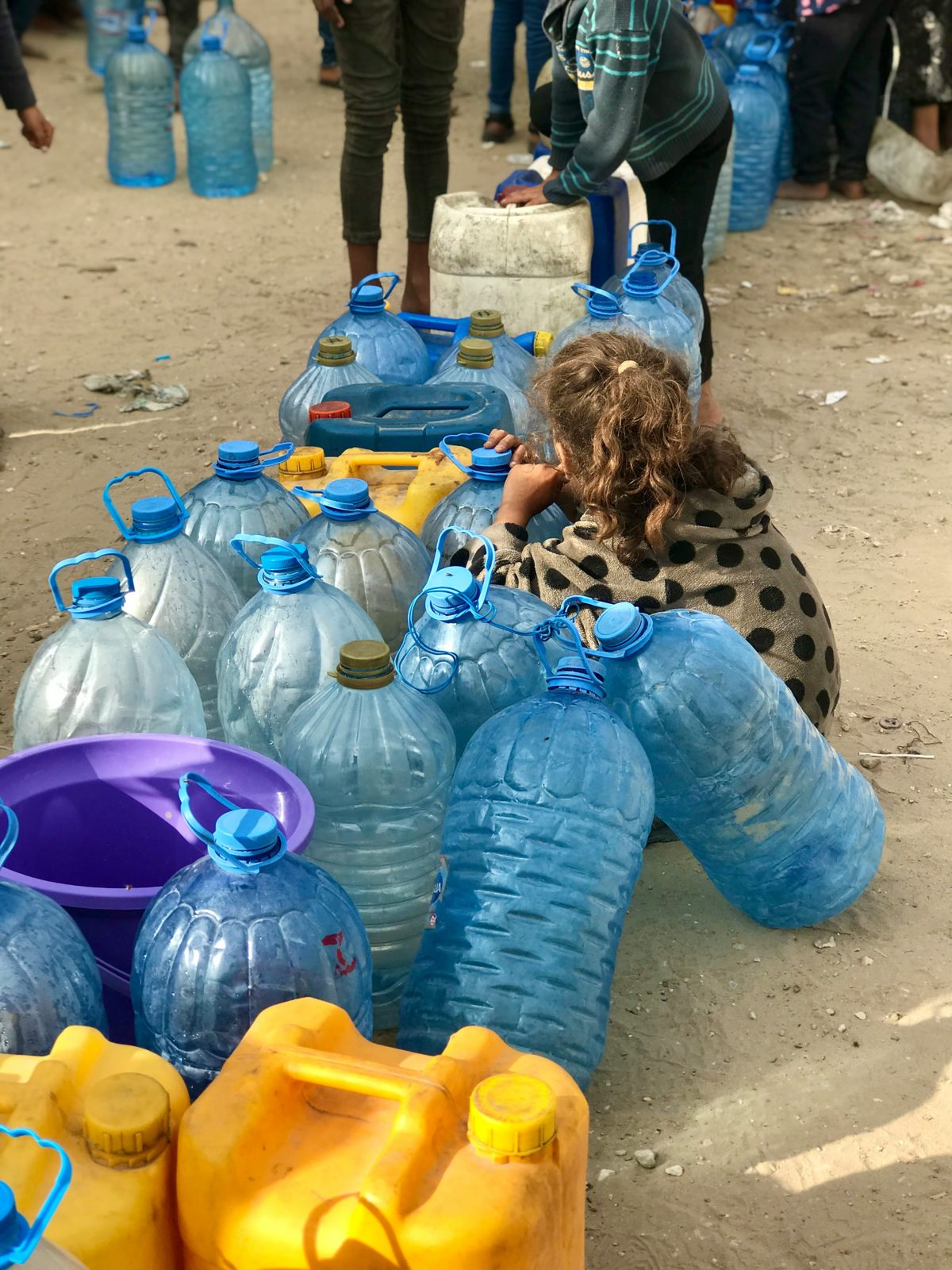
The analysis must centre this: recovery is impossible under blockade. 92% of housing is damaged or destroyed. 90% of water and wastewater infrastructure is damaged or destroyed. 85% of the built environment is destroyed. Yet restrictions on entry of cement, steel, engine oil, spare parts and equipment continue. Funding shortfalls in October 2026 meant daily hot meal production and monthly parcel distributions shrank significantly.
Israel expanded its territorial control inside Gaza from the 53% envisaged under the ceasefire agreement to about 63-70% of the Strip by July 2026, moving the Yellow Line westward. OCHA records about 200 Palestinians killed near those shifting lines. Rebuilding under occupation is not rebuilding – it is management of rubble.