
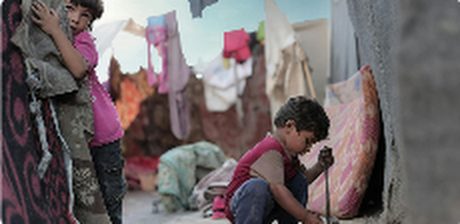
Why are there 5.9 million Palestinian refugees registered with UNRWA in 2024, when UNRWA began with 960,000 in 1950?
Unlike UNHCR, UNRWA’s mandate under UN General Assembly Resolution 302 of 8 December 1949 was to provide relief and works for Palestine refugees until a political solution. Because no solution was implemented – because Israel has never allowed refugees to return as required by UN Resolution 194 of 1948 – UNRWA was mandated to continue.
Registration is voluntary and hereditary. Children, grandchildren and great-grandchildren of the original refugees displaced in the Nakba – when 700,000-750,000 Palestinians were expelled – remain refugees because they remain stateless and displaced. They cannot return to their homes in Jaffa, Haifa, Safad and hundreds of destroyed villages.
Critics claim this inflates numbers. Palestinians argue it reflects reality: 15.5 million Palestinians worldwide include 8.1 million in the diaspora, many second, third and fourth generation refugees still denied citizenship. In Lebanon, 500,000 registered refugees have severely restricted rights to work, own property or access public services. In Syria, 418,000 registered refugees faced 92% food insecurity in 2025.
The Palestinian Central Bureau of Statistics data shows 42% of the population in the State of Palestine are refugees. In the West Bank, the unemployment rate among refugees is 29.2% versus 28.6% among non-refugees. Literacy gaps are small – 2.1% illiteracy among refugees versus 2.3% among non-refugees – showing refugee communities have prioritised education despite dispossession.
Until return, restitution and compensation are realised, refugee status continues. That is not an anomaly – it is international law.