Timeline
A Timeline of Palestine (1917–2026)
From the Balfour Declaration and the Nakba to occupation, displacement, the blockade of Gaza and the ongoing humanitarian crisis.
1917: Balfour Declaration
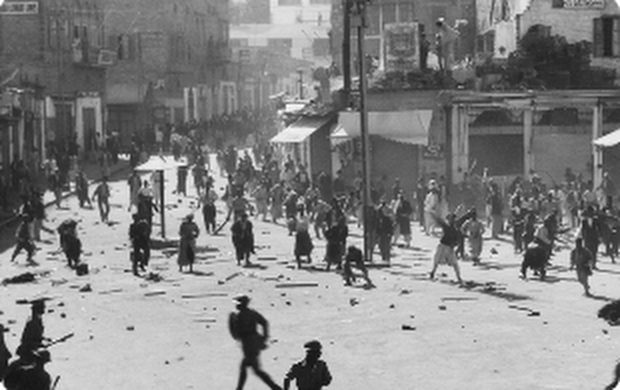
The Israeli-Palestinian conflict traces its roots back nearly a century to World War I. During this time, Britain, under the Balfour Declaration, promised to establish a national home for the Jewish people in Palestine.
This followed the collapse of the Ottoman Empire, which had ruled the region for over 400 years. British troops took control of the territory from the Ottoman Empire at the end of October 1917.
1947: UN Partition Plan
The United Nations proposes partitioning Palestine into separate Jewish and Arab states, with Jerusalem under international control.
Palestinians reject the plan, seeing it as unfair and a denial of their right to self-determination.
Under Resolution 181:
- 56% of the land was allocated to a Jewish state.
- Palestinians owned 94% of the land.
- Palestinians comprised 67% of the population.
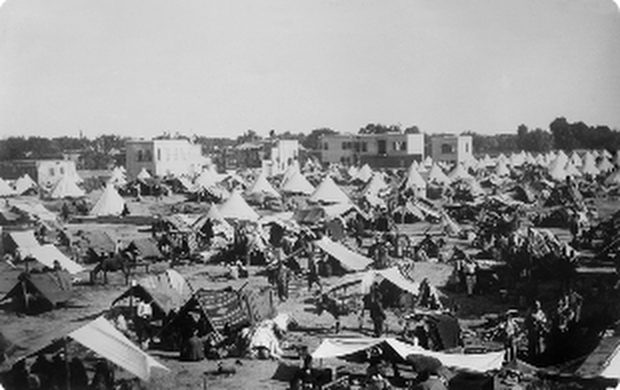
1948: The Nakba (Catastrophe)
Following the declaration of the State of Israel, war breaks out between the new state and neighbouring Arab countries.
- Over 750,000 Palestinians are expelled or forced to flee their homes by Zionist militias and Israeli forces.
- More than 500 villages are destroyed or depopulated.
- Massacres are documented in Deir Yassin, Tantura and Lydda.
The Nakba creates a large-scale refugee crisis that continues today, with UN Resolution 194 affirming the right of return.
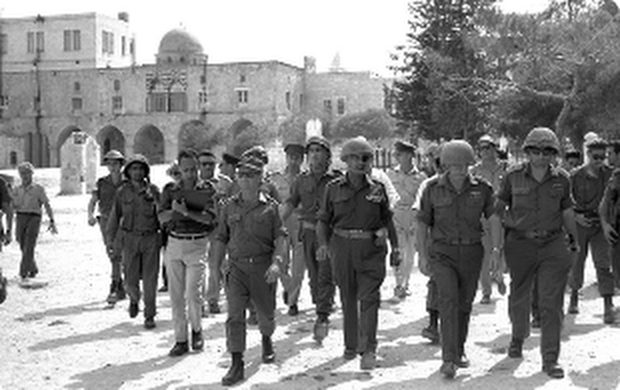
1967: The Six-Day War – The Naksa
Israel captures the West Bank, including East Jerusalem, the Gaza Strip, the Golan Heights and Sinai.
Palestinians living in these areas come under direct Israeli military occupation, which continues to this day.
- A further 300,000 Palestinians are forced to flee their homes and become refugees for a second time.
- The aftermath is known as the Naksa, or the setback.
- UN Security Council Resolution 242 calls for withdrawal from occupied territories.
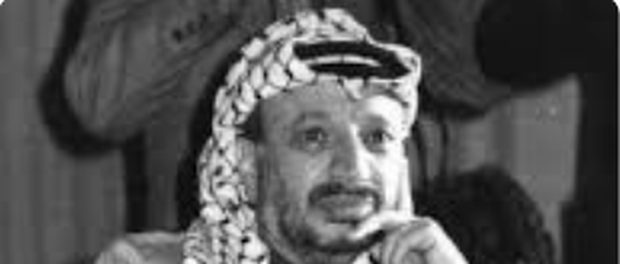
1968: PLO Reconstituted and Armed Resistance
The Palestine Liberation Organization (PLO), founded in 1964, is reconstituted under Yasser Arafat after the Battle of Karameh.
It becomes the primary representative body of the Palestinian people, recognised by the Arab League and later by the UN as the sole legitimate representative.
Its National Charter affirms the right to self-determination and return.
1974
1974: PLO Recognised at the UN
Arafat addresses the UN General Assembly with his famous “olive branch and freedom fighter’s gun” speech.
The UN General Assembly grants the PLO observer status and recognises the right of the Palestinian people to self-determination and independence.
1982
1982: Invasion of Lebanon – Sabra and Shatila
Israel invades Lebanon to expel the PLO.
After the PLO evacuates Beirut, Israeli forces allow Lebanese Phalangist militias into the Sabra and Shatila refugee camps, where between 800 and 3,500 Palestinian refugees and Lebanese civilians are massacred.
An Israeli commission finds indirect responsibility.
1987–1993
1987–1993: The First Intifada – The Stones Uprising
A spontaneous, largely unarmed popular uprising erupts across the occupied territories after an Israeli truck kills four Palestinians in Jabaliya refugee camp.
Youths, women and workers confront the occupation with stones, boycotts and strikes.
- Israel’s Defence Minister Yitzhak Rabin orders “break their bones.”
- Over 1,200 Palestinians are killed, including 300 children.
- Over 120,000 are injured.
- 35% of Palestinians are detained.
The Intifada brings the Palestinian question back to the world stage and leads to the 1988 Palestinian Declaration of Independence in Algiers.
1993–1995
1993–1995: Oslo Accords – Peace That Entrenched Occupation
The PLO and Israel sign the Declaration of Principles in Washington.
- The PLO recognises Israel.
- Israel recognises the PLO as the representative of Palestinians.
- A Palestinian Authority (PA) is created to govern parts of the West Bank and Gaza for a five-year interim period, pending final-status talks on Jerusalem, refugees, borders and settlements.
For many Palestinians, Oslo becomes a betrayal: it postpones the core issues, contains no settlement freeze, and divides the West Bank into three administrative areas:
- Area A (18%): PA civil and security control.
- Area B (22%): PA civil control, Israeli security control.
- Area C (60%): Full Israeli control.
Between 1993 and 2000, the settler population doubles from 200,000 to 400,000.
In 1994, Baruch Goldstein massacres 29 Palestinians in Hebron’s Ibrahimi Mosque.
In 1995, Rabin is assassinated by an Israeli extremist opposed to Oslo.
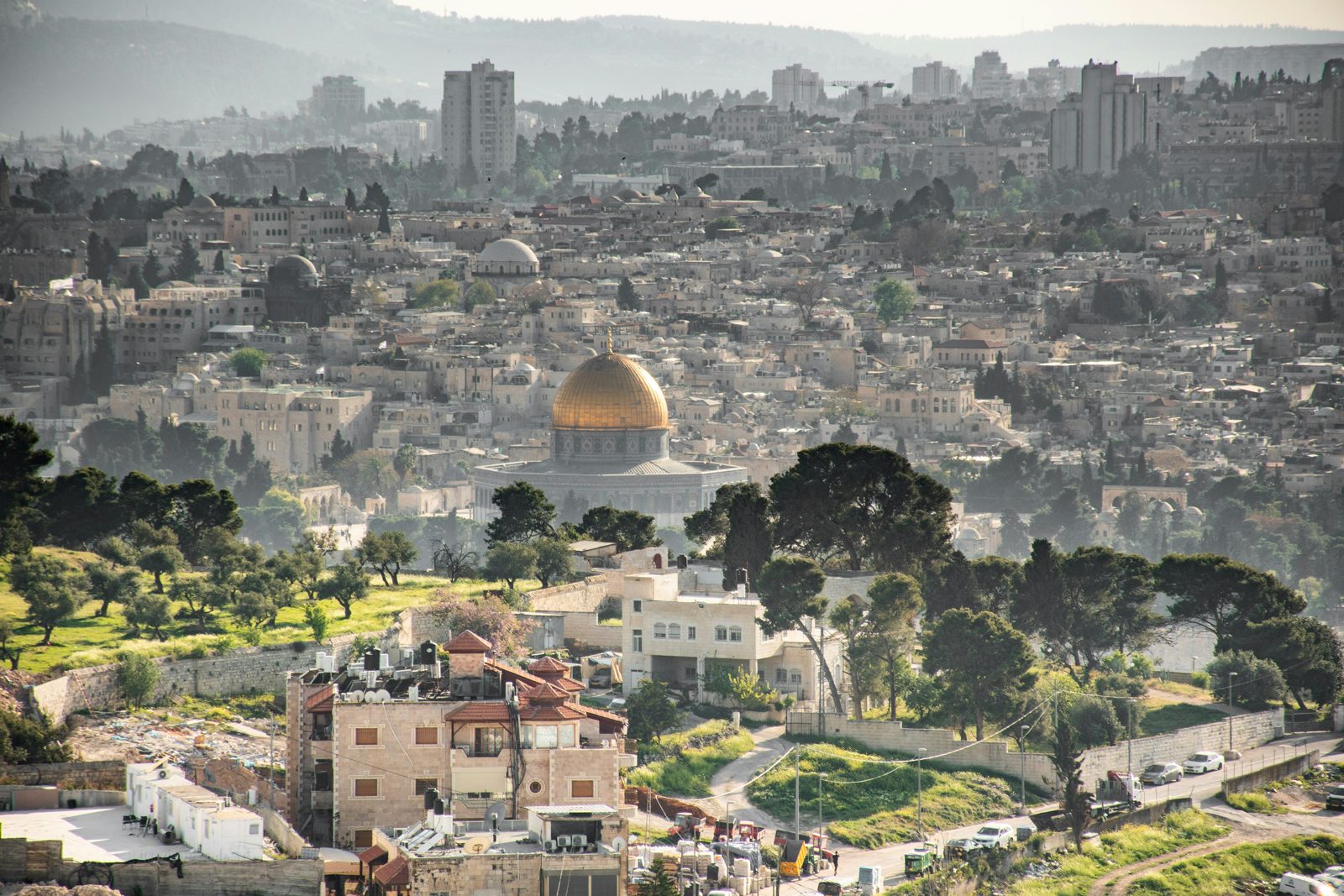
2000–2005: The Second Intifada – Al-Aqsa Intifada
After Ariel Sharon’s provocative visit to the Al-Aqsa Mosque compound under heavy guard, and the failure of Camp David talks to offer a viable state, a second, far bloodier Intifada erupts.
- Israel re-invades all PA cities.
- PA infrastructure is destroyed.
- Israel begins construction of the Separation Wall, declared illegal by the International Court of Justice in 2004.
- Over 4,300 Palestinians and 1,000 Israelis are killed.
- Jenin refugee camp is devastated in 2002, with at least 52 Palestinians killed.
Targeted assassinations, suicide bombings, closures and curfews devastate both societies, but the cost to Palestinians—in lives, economy and freedom of movement—is disproportionate.
2004
2004: Death of Arafat and Besieged Leadership
Yasser Arafat dies in Paris after years under siege in his Ramallah compound.
Mahmoud Abbas becomes President of the PA.
Israel continues construction of settlements and the Wall, which annexes 9.4% of the West Bank.
2005
2005: Gaza Disengagement – Siege Replaces Settlements
Israel unilaterally withdraws 8,500 settlers and soldiers from inside Gaza, but retains full control over borders, airspace, sea, population registry and tax revenues.
For Palestinians, it is not the end of occupation but its reconfiguration—an open-air prison.
Settlers in Gaza are relocated to the West Bank, where settlement expansion accelerates.
2006
2006: Democratic Elections and International Boycott
Hamas wins the 2006 Palestinian Legislative Council elections with 74 of 132 seats, on an anti-corruption and resistance platform, in elections deemed free and fair by international observers.
- Israel, the US and EU cut aid and impose sanctions.
- A unity government collapses.
- After armed clashes in 2007, Hamas takes control of Gaza, while Fatah retains the West Bank.
The geographic split begins.
2007–Present: The Blockade of Gaza
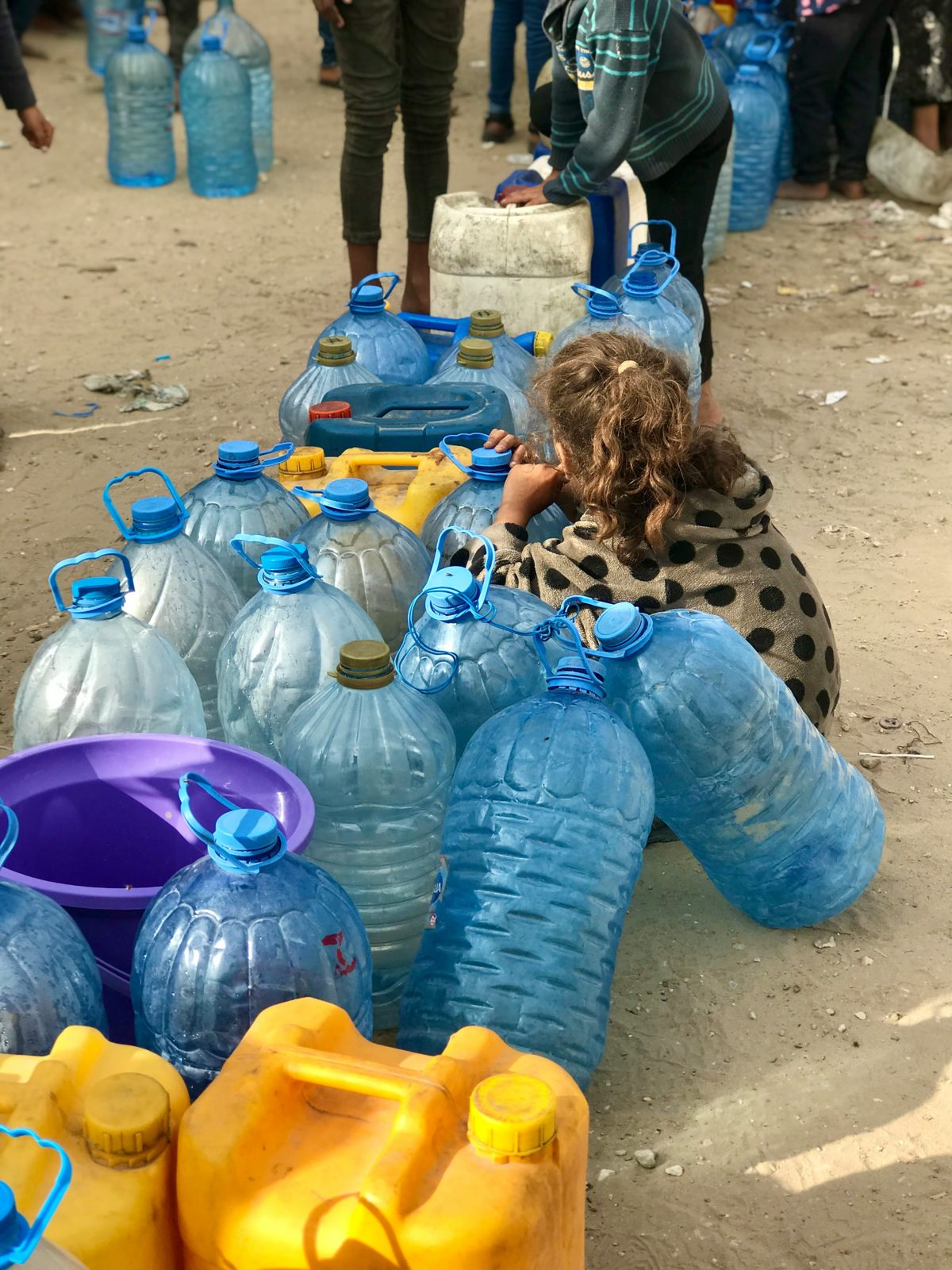
Israel imposes a full land, sea and air blockade on Gaza, calling it “economic warfare” in leaked documents.
Egypt closes Rafah.
The UN says the blockade is collective punishment.
Conditions include:
- 80% of Gazans become aid-dependent.
- Exports are banned.
- The fishing zone is restricted to 3–6 nautical miles.
- The entry of cement, steel and even pasta at times is controlled.
- Unemployment reaches 45%—the highest in the world—and 60% among youth.
- The World Bank says Gaza’s GDP would have been four times higher without the blockade.
2008–2009, 2012, 2014 and 2021
2008–2009, 2012, 2014 and 2021: Israeli Wars on Gaza
Four major Israeli assaults devastate Gaza.
2008–2009 – Operation Cast Lead
- 1,400 Palestinians killed, including 344 children.
- 13 Israelis killed.
- White phosphorus used.
- Goldstone Report finds evidence of war crimes.
2012 – Operation Pillar of Defence
- 167 Palestinians killed.
2014 – Operation Protective Edge
- 2,251 Palestinians killed, including 551 children.
- 11,231 injured.
- 18,000 homes destroyed.
- 500,000 displaced.
- 73 Israelis killed, including 6 civilians.
2021 – 11-Day War
- 260 Palestinians killed, including 66 children.
- The assault follows Israeli attempts to expel families in Sheikh Jarrah, East Jerusalem, and raids on Al-Aqsa.
Between wars, Israel’s “mowing the grass” policy means regular airstrikes, with civilians paying the price.
2018–2019
2018–2019: Great March of Return
Palestinians in Gaza launch weekly, largely unarmed protests at the fence, demanding the right of return and an end to the blockade.
- Israeli snipers kill 223 protesters, including 46 children, medics and journalists.
- Over 9,000 are injured with live fire.
- Around 1,200 require amputations.
- A UN Commission finds Israel may have committed crimes against humanity.
2020
2020: Abraham Accords
The UAE, Bahrain and Morocco normalise relations with Israel without conditioning it on Palestinian rights.
Palestinians see it as a betrayal and a green light for annexation.
Settlement expansion surges.
2022–2023
2022–2023: The Deadliest Years in the West Bank Since 2005
Israeli forces kill 170 Palestinians in the West Bank in 2022, including journalist Shireen Abu Akleh.
Raids on Jenin and Nablus intensify.
By early 2023, before October, 200 Palestinians have already been killed.
Other developments:
- Settler population reaches 700,000 in 156 settlements and 360 outposts.
- Israel’s most right-wing government in history takes power, with ministers openly calling for annexation and expulsion.
2023–2026: The Gaza Genocide and Regional Expansion
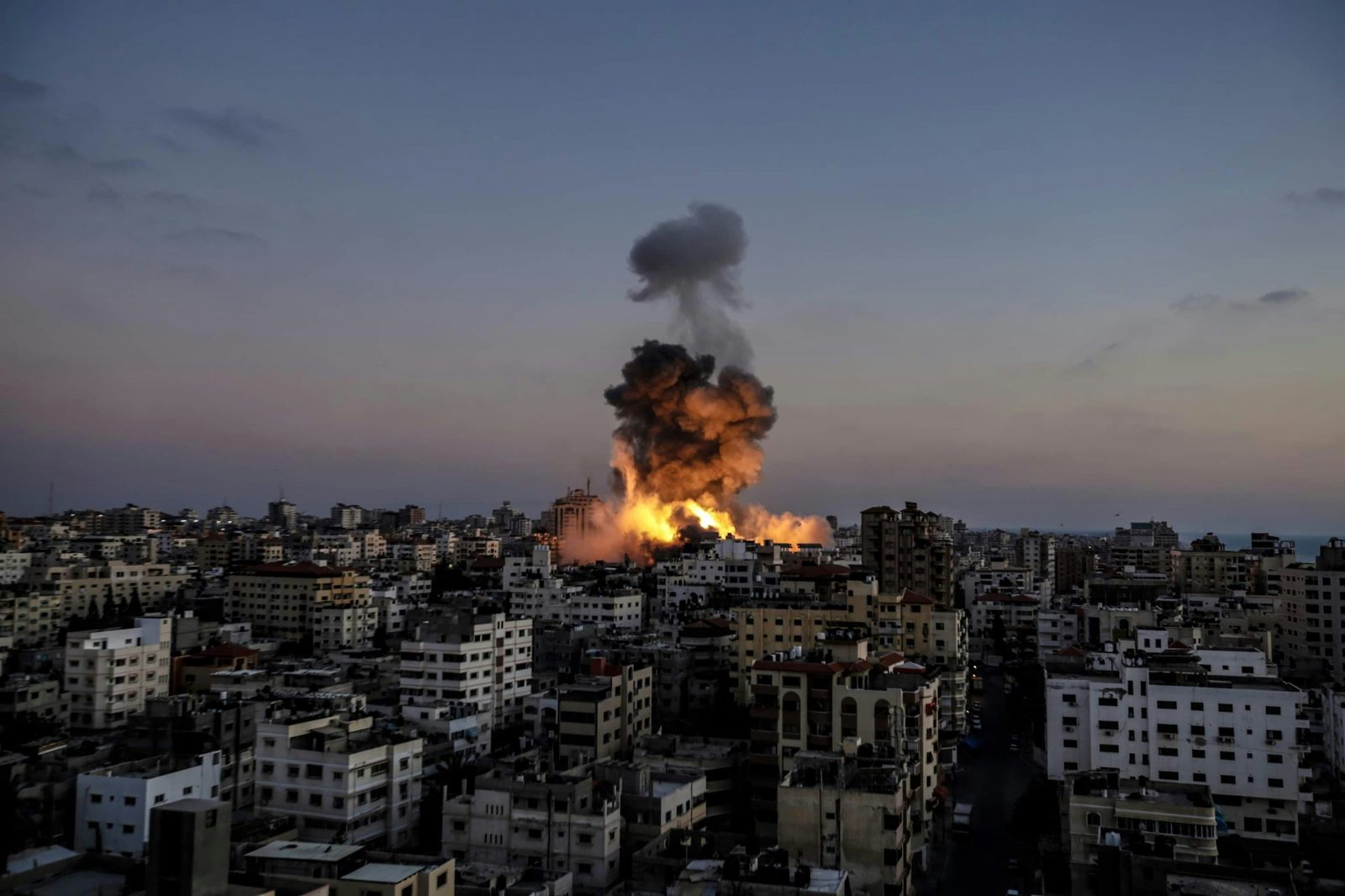
On 7 October 2023, Hamas and other armed groups launch an unprecedented attack on southern Israel, killing 1,139 people, including 695 civilians, and taking 251 hostages, according to Israeli figures.
The attack comes after 16 years of blockade, the desecration of Al-Aqsa, and warnings that Gaza was becoming unliveable.
Israel declares war and launches a full-scale assault on Gaza.
What follows, according to leading human rights organisations, including Amnesty International, Human Rights Watch,B’Tselem and UN Special Rapporteur Francesca Albanese, constitutes genocide.
Gaza: Humanitarian and destruction statistics
As of 5 October 2026
Human casualties
- 74,243 Palestinians killed.
- 175,232 wounded.
- 18,592 children and 12,400 women among the dead.
- 11,200 missing under rubble.
- 1,411 healthcare workers, 252 journalists and 800 education workers killed.
Displacement
- 1.9 million displaced (90% of the population).
- Many displaced up to 10 times.
Infrastructure and education
- 82% of all structures damaged or destroyed.
- 61 million tonnes of rubble.
- 98% of schools damaged.
- 93% of schools requiring full reconstruction.
- 700,000 children out of school for three years.
Healthcare and religious sites
- 35 of 57 hospitals partially functional; none fully functional.
- 1,244 mosques damaged, 1,077 destroyed.
Economic collapse
- Economy contracted by 84%.
- GDP per capita: $212 per year ($0.58 a day).
- 90% unemployment.
- Described by UNCTAD on 3 November 2026 as “the most severe economic crisis on record”.
Reconstruction
- Recovery needs estimated at $71.5 billion, up from $71.4 billion in April, with the figure likely to rise further.
The Ceasefire and Continued Israeli Military Control
A ceasefire took effect on 10 October 2025, but Israeli forces continue to kill.
- Between 1,460 and 1,580 Palestinians have been killed since the ceasefire, including at least 327 children.
- The Yellow Line—the area under Israeli military control—expanded from 53% to 63–70% of Gaza.
- The UN OHCHR calls it a “kill zone.”
The West Bank: Displacement and Settler Violence
Simultaneously, in the West Bank:
- At least 1,216 Palestinians killed since 7 October 2023, including 263 children.
- Over 33,000 displaced from Jenin and Tulkarem refugee camps in Israel’s largest displacement since 1967.
- More than 6,500 displaced by settler violence since January 2023, emptying 49 communities.
2026 developments:
- Record 6.7 settler attacks per day.
- 1,600 attacks in eight months, affecting 275 communities.
- In October 2026 alone: 3,133 attacks, 1,369 by settlers (up 111.6% from September).
- 17 people displaced per day in 2026, double the previous three-year average.
- Full lockdowns and 1,000 checkpoints closed.
In Hebron, during October–November 2026, 2,200 people were forced from their homes in 10 days, with daily losses of 10–12 million shekels.
Beyond: The Refugee Question Today
At the end of 2025, 15.5 million Palestinians exist worldwide:
- 7.4 million in historic Palestine.
- 8.1 million in the diaspora.
- 5.9 million registered with UNRWA.
- Around 9 million displaced, according to BADIL.
UNRWA, recognised by the ICJ as indispensable, faces defunding and Israeli laws banning its operations.
The situation facing Palestinian refugees:
- Gaza: 1.7 million depend on UNRWA; 11,500 staff continue to work, while 390 have been killed.
- Lebanon: 500,000 registered refugees lack basic rights.
- Syria: 418,000 refugees face 92% food insecurity.
Palestinian Demands Under International Law
Palestinians continue to demand implementation of international law, including:
- UN Resolution 194: The right of return.
- UN Resolution 242: Withdrawal from occupied territory.
- ICJ Advisory Opinion, July 2024: Declared Israel’s occupation of Palestinian territory illegal and stated that it must end.
- ICJ provisional measures: Ordering Israel to prevent genocide in Gaza.
From Balfour to today: the bigger picture
From Balfour to today, the arc is clear:
A colonial promise made on a land that was not Britain’s to give.
Partition without consent.
Expulsion without return.
Occupation without end.
Siege without accountability.